I spent about an hour reading Google’s engineering practices (currently focusing on CR and MR). It resonated strongly, so here are my takeaways.
Official docs: link
Standardizing CLs
- CL means changelist
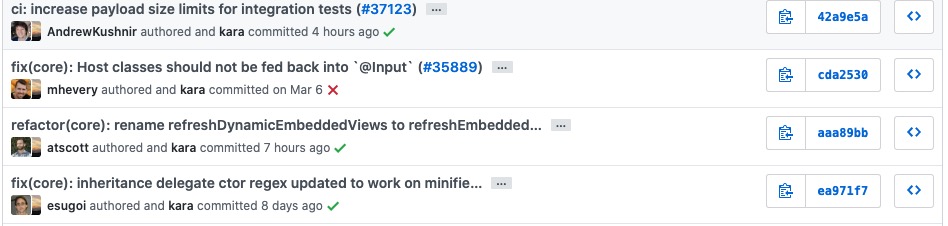
- The subject line should be imperative — a concise command that expresses what this change does. Put context and tracking IDs in the body.
- Don’t batch a pile of unrelated changes into one MR. Large diffs increase review, merge, and rollback risk. Train yourself to split changes and keep each CL as small as practical.
Standardizing MRs
- For urgent MRs, relax rules appropriately — some changes, if not merged quickly, can cause real business loss.
- Keep MR comments professional and issue‑focused. The goal is to discuss problems and help developers grow.
- For stylistic nits without a team rule, accept the existing style.
- Acknowledge and praise good work.
- LGTM means “looks good to me”.
- When resolving conflicts, involve the developer when needed to avoid lost or incorrect code.
Standardizing CRs
- Speed reduces frustration — don’t let reviews drag on.
- Issues found in CRs should be fixed by the author, especially serious ones. “We’ll fix it later” is a common path to system decay.
Final Thoughts
- Google’s write‑up is strong because the issues and explanations map directly to the pain points I’ve hit while pushing CR/MR discipline. It provides a solid theoretical foundation.
- Great teams don’t face unique problems; they apply more scientific solutions to common ones. The smart approach is to see past symptoms to root causes and fix them properly.